
- Describe the purpose of the rules of etiquette
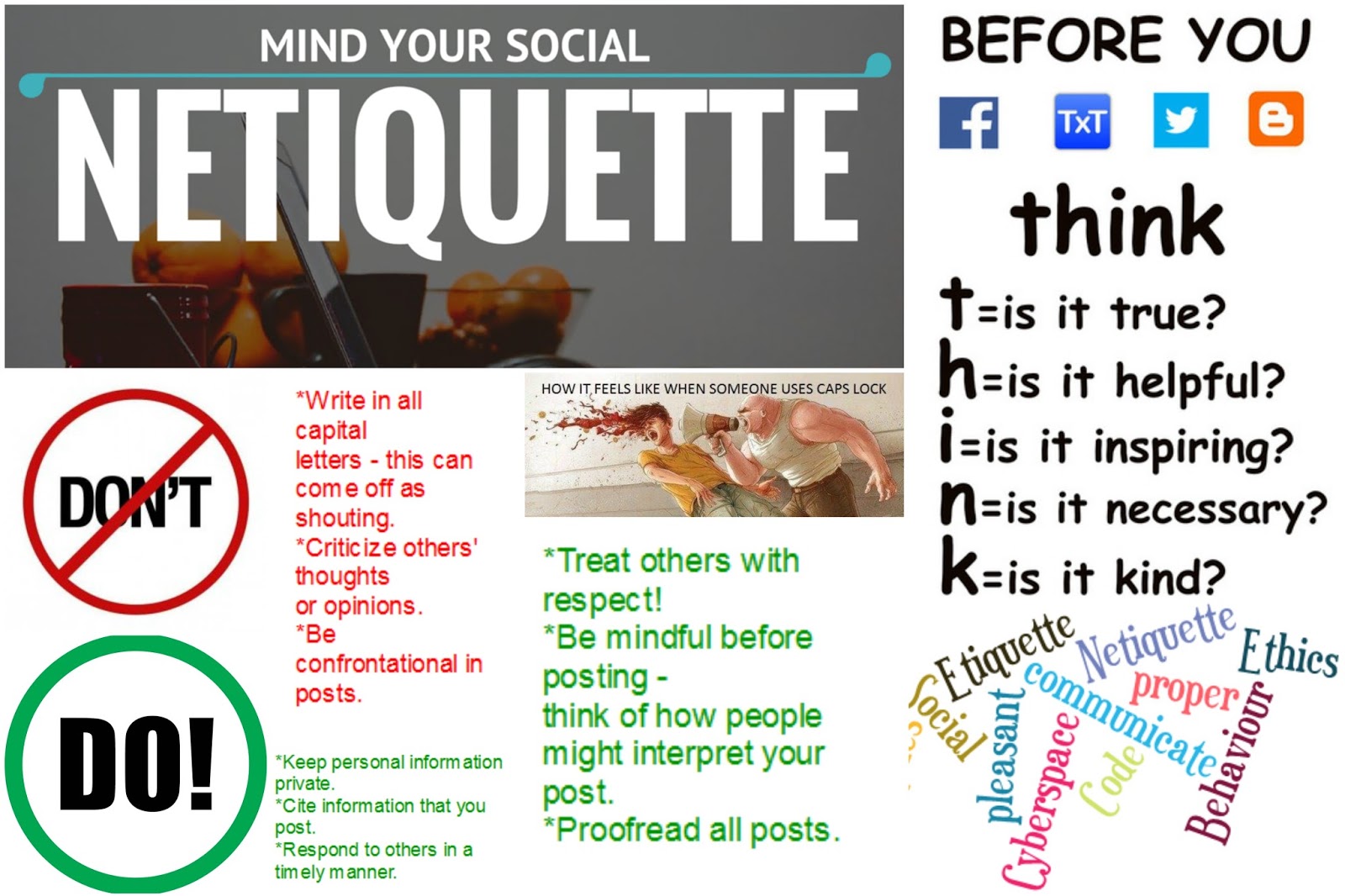
- The rules of etiquette in internet communications and postings are called
- What are three basic rules of online etiquette (netiquette)
10 golden rules of email etiquette
Golf etiquette is about respecting the game’s traditions, both on and off the course. Some examples include being respectful to other players, refraining from talking during someone’s swing, not taking divots while repairing a ball mark, raking bunkers after you’ve finished playing them, replacing your divot in fairway shots, keeping quiet while someone is putting, and always playing at a reasonable pace https://amigomarketreports.com/.
The most intimidating thing for a beginner is not the rules but how to behave. Along with tradition comes a whole list of dos and don’ts for golf course etiquette. The golf etiquette rules extend beyond the game, so any golf fan will benefit from knowing them.
Regarding golf etiquette, carrying more than one club for a single shot is important. Not only will this prepare you for any situation that might arise on the course, but it also demonstrates respect for other players by preventing disruption in their games due to the slower pace of play. Carrying multiple clubs will also help you keep your momentum and focus while playing.
When you follow another golfer on the course, you must ensure you aren’t behind them as they take their shot. Not only can this be a distraction that affects their concentration and performance, but it is also an unnecessary intrusion into someone else’s personal space.

Describe the purpose of the rules of etiquette
etiquette, system of rules and conventions that regulate social and professional behaviour. In any social unit there are accepted rules of behaviour upheld and enforced by legal codes; there are also norms of behaviour mandated by custom and enforced by group pressure. An offender faces no formal trial or sentence for breach of etiquette; the penalty lies in the disapproval of other members of the group. Regardless of its level of material culture, any highly stratified society will possess an etiquette in which every person knows the behaviour expected from him toward others and from others toward himself.
In a world characterized by rapid change and evolving social norms, etiquette remains a timeless and essential component of our lives. It fosters positive interactions, strengthens relationships, enhances professional success, reduces conflict, and aids in navigating diverse environments. Moreover, it cultivates self-confidence, self-respect, and serves as a bridge to tradition and cultural heritage. As such, etiquette should continue to be valued and practiced in our modern society, enriching our lives and fostering a more harmonious and respectful world.
The royal court was the natural home of etiquette, because it centred upon a monarch around whom niceties of behaviour spread in expanding circles. The author of Beowulf, writing of Anglo-Saxon society, describes Wealtheow the queen, “mindful of etiquette,” carrying the goblet first to the king, then to the courtiers, in a clearly defined order of precedence.
World wars and increasing social equality resulted in a simpler code, appropriate to the faster tempo and less pampered conditions of life in society. Nonetheless, etiquette remains active on royal or ceremonial occasions and in the more formal aspects of professional or communal life. No rule of law or principle of morality decrees that a soup plate should be tilted away from, never toward, the diner, or that (in Great Britain) a surgeon shall be known as “Mr.” while a physician is addressed as “Dr.,” but etiquette ordains it. Since the framework and content of the communities of which society is formed are constantly changing, the habits of etiquette can and do change with them.
By mid-20th century, however, concern about polite conduct was no longer confined to a social elite. Good manners for ordinary people in everyday situations were set forth in the United States by two prominent and influential arbiters of taste, Emily Post and Amy Vanderbilt. Drawing on her own wide experience in social, political, and diplomatic situations, no less a personage than Eleanor Roosevelt published her own typically practical Book of Common Sense Etiquette (1962).
The rules of etiquette in internet communications and postings are called
Also remember that insults and threats on the internet can have legal consequences for you. For this reason, do not be tempted to make such comments, even in heated discussions. Instead, demonstrate exemplary conduct on the internet.
Constantly checking your email, voicemail, or Facebook sends the message that you don’t care about them. It can also be annoying and hurtful to be with someone who is having a conversation that you are not part of.
Don’t forward information sent to you without checking with the original sender first; doing this behind their back can create mistrust if they find out. This includes copying and pasting texts or sending screenshots.
Digital citizenship is how a person should act while using digital technology online and has also been defined as “the ability to participate in society online”. The term is often mentioned in relation to Internet safety and netiquette.
Also remember that insults and threats on the internet can have legal consequences for you. For this reason, do not be tempted to make such comments, even in heated discussions. Instead, demonstrate exemplary conduct on the internet.
Constantly checking your email, voicemail, or Facebook sends the message that you don’t care about them. It can also be annoying and hurtful to be with someone who is having a conversation that you are not part of.
What are three basic rules of online etiquette (netiquette)
It’s so easy to type out a quick comment online, on a platform like YouTube or X, for example, and send it out for the world to see, without thinking too much about it. But seemingly simple posts can have deep and far-reaching consequences.
When working remotely, in the comfortable, familiar setting of your own home, some people naturally tend to develop a less formal mindset than they would if they were in an office. However, it’s still important to be professional in your communications and interactions, especially when emailing colleagues or clients, and in terms of punctuality.
Otherwise, have the courtesy to reply to a message within a few days, especially if that message is from family or friends. If it is going to take longer, that’s okay. Just tell them that so they know and aren’t waiting for your reply.
Lev also recommends using caution regarding what you share about yourself online. For example, don’t sext naked pictures or post pictures of alcohol use, drug use, or other information about your private life online. Once these images and statements are uploaded to the Internet, they are there for the rest of the world to see, forever.
Today’s younger generations are growing up with the internet as a fundamental part of their lives. To help them avoid the many risks of poor online etiquette, it’s crucial to educate them about how to behave, both for their own benefit and the welfare of other online users.