
The Allure of Casino Gambling
Casino gambling has long fascinated individuals, drawing them into an environment filled with excitement and the possibility of winning. The allure stems from a combination of factors, including the vibrant atmosphere, the thrill of chance, and the potential for financial gain. Patrons often describe the experience as euphoric, where the sights and sounds of the casino create an adrenaline rush that compels them to engage in play. Many find that they can even enjoy the best bitcoin casino offerings that enhance their overall experience.
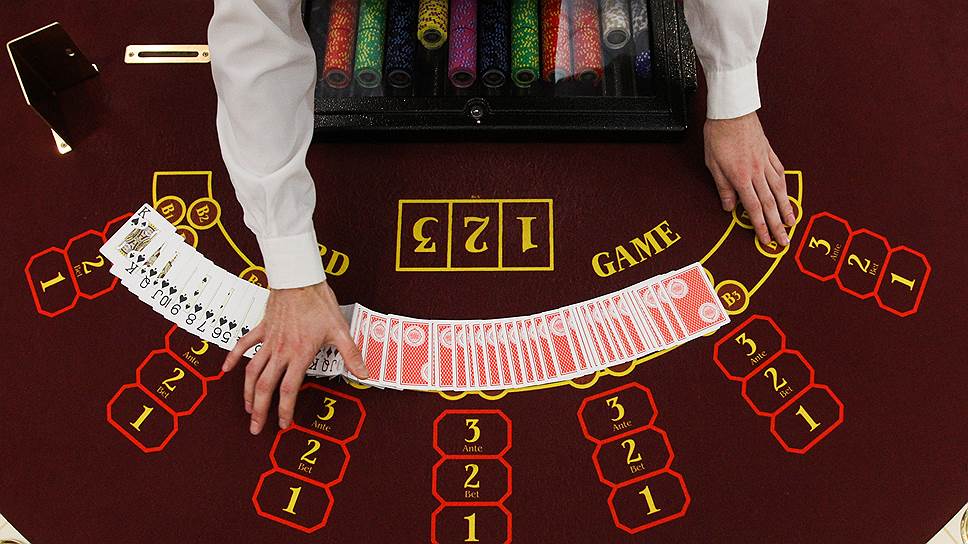
This excitement is often amplified by the social aspect of gambling. Many players enjoy the camaraderie found in crowded casino floors, where shared experiences can lead to connections and memorable interactions. This social dimension can enhance the enjoyment of gambling, making it more than just a solitary activity; it becomes a shared adventure among friends and even strangers.
The Role of Reward Systems
The psychology of gambling is deeply intertwined with the brain’s reward systems. When players engage in gambling activities, they experience a surge in dopamine, the neurotransmitter associated with pleasure and reward. This biochemical reaction reinforces the behavior, leading individuals to seek out the high associated with potential wins. Each bet placed is a gamble not just of money but also of emotional highs and lows.
Furthermore, the unpredictability of outcomes plays a significant role in increasing the desire to gamble. Players are often drawn to the concept of variable rewards, where the anticipation of winning creates a compelling draw. This uncertainty fuels a cycle where the thrill of the game overshadows the potential for loss, leading individuals to play more than they may initially intend.
Psychological Triggers and Behavioral Patterns
Various psychological triggers can influence gambling behavior. Cognitive biases, such as the illusion of control, often lead players to believe they can influence outcomes based on their actions. This belief creates an environment where individuals become more entranced with the game, as they attribute losses to external factors rather than the inherent randomness of gambling.
Moreover, the concept of “chasing losses” is prevalent in gambling psychology. When players face losses, they may feel compelled to continue gambling in an attempt to recover their previous losses. This behavior can spiral into a cycle of increased wagers, where the emotional need to win overshadows rational decision-making, often leading to more significant financial ramifications.
The Impact of Environment and Design
The design and ambiance of casinos are meticulously crafted to maximize player engagement. Elements such as lighting, sound, and layout are strategically employed to create an environment that encourages prolonged play. Bright lights and enticing sounds can heighten the sensory experience, making it difficult for players to disengage from the gaming activities.
In addition, the absence of clocks and windows in many casinos creates a disorienting effect, causing players to lose track of time while immersed in their gaming experience. This design choice further contributes to the compulsive nature of gambling, as players can find themselves playing for hours without a moment’s thought to their surroundings or the passage of time.
Safeguarding Against Gambling Addiction
Understanding the psychology behind casino gambling is essential for promoting responsible gaming practices. Education on the risks of gambling addiction can help individuals recognize when their gaming habits may be crossing into harmful territory. It is crucial to approach gambling as a form of entertainment rather than a reliable source of income, fostering a mindset that prioritizes enjoyment over financial gain.
Various resources and support systems are available for those struggling with gambling addiction. Encouraging players to seek help and providing information on responsible gambling can create a safer environment for both casual gamblers and those at risk. By emphasizing awareness and support, we can help mitigate the potential negative impacts of gambling on individuals and their loved ones.